- How to Know If It’s Hay Fever
- Symptoms of Hay Fever Include:
- Pollen Season
- what you shouldn’t do
- what you should do
- medicine
For many, the arrival of spring and summer heralds sunlit days, breathtaking landscapes, and joyous occasions. However, for others, these seasons bring nothing short of a nightmare—hay fever.
According to surveys, 76% of respondents indicated that hay fever has restricted their own or their children’s daily activities, leading to three or more days of absence from work or school in the past year.
How to Know If It’s Hay Fever
If you or your child suffer from hay fever, typical symptoms do not include a high fever or a sore throat. Instead, you might notice:
- Symptoms lasting at least 6 to 8 weeks—unlike a cold, which usually persists for only 1 to 3 weeks.
- Symptoms that appear annually around the same time, aligning with pollen season.
- Itchy eyes and nose.
Interestingly, some children may experience a decrease in symptoms as they age, and for others, symptoms may disappear entirely.
Symptoms of Hay Fever Include:
- Sneezing and coughing.
- Runny or blocked nose.
- Itchy, red, or watery eyes.
- Itching in the throat, mouth, nose, and ears.
- Loss of smell.
- Pain around the temples and forehead.
- Headaches.
- Earaches.
- A general feeling of fatigue.
Pollen Season
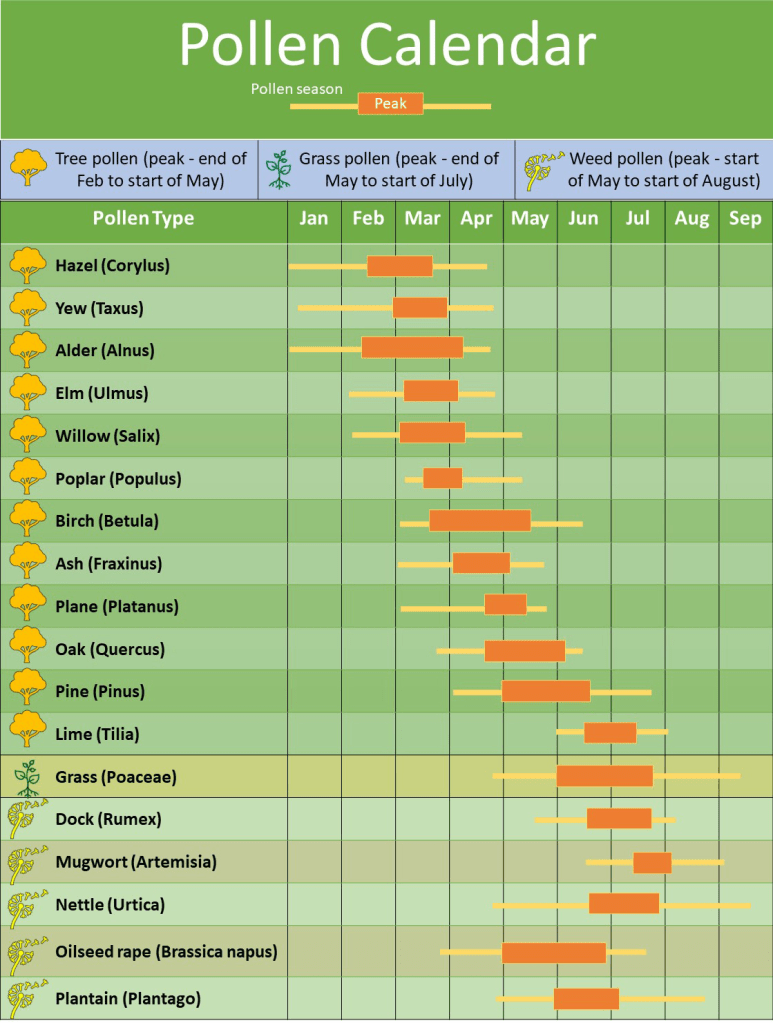
In Ireland, pollen season typically extends from late spring to late summer, unfolding in several distinct phases:
Tree Pollen: The most intense period for tree pollen usually spans from March to May. During this time, pollen from birch, oak, and pine trees is most prevalent.
Grass Pollen: Grass pollen season kicks off in May and lasts through July. This marks the peak of the pollen season in Ireland, as grasses, including common lawn species from the Poaceae family, release vast amounts of pollen.
Weed Pollen: By late summer and early autumn, around August to September, weeds such as ragweed begin to release their pollen, contributing to the ongoing challenges for those with pollen allergies.
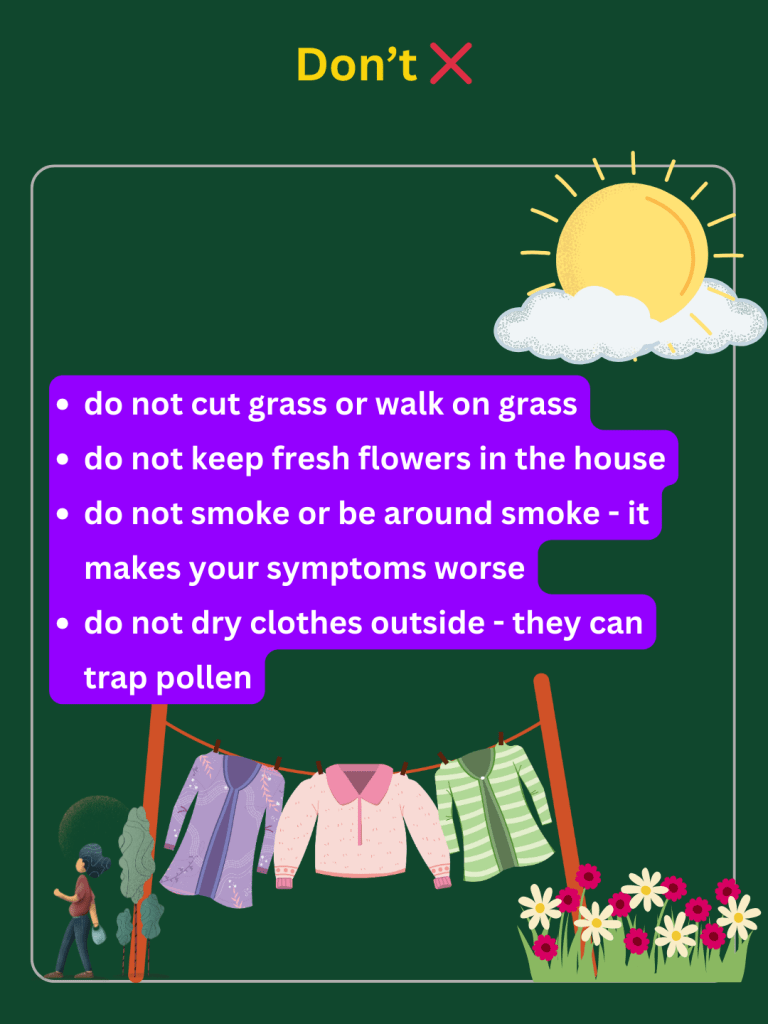
what you shouldn’t do
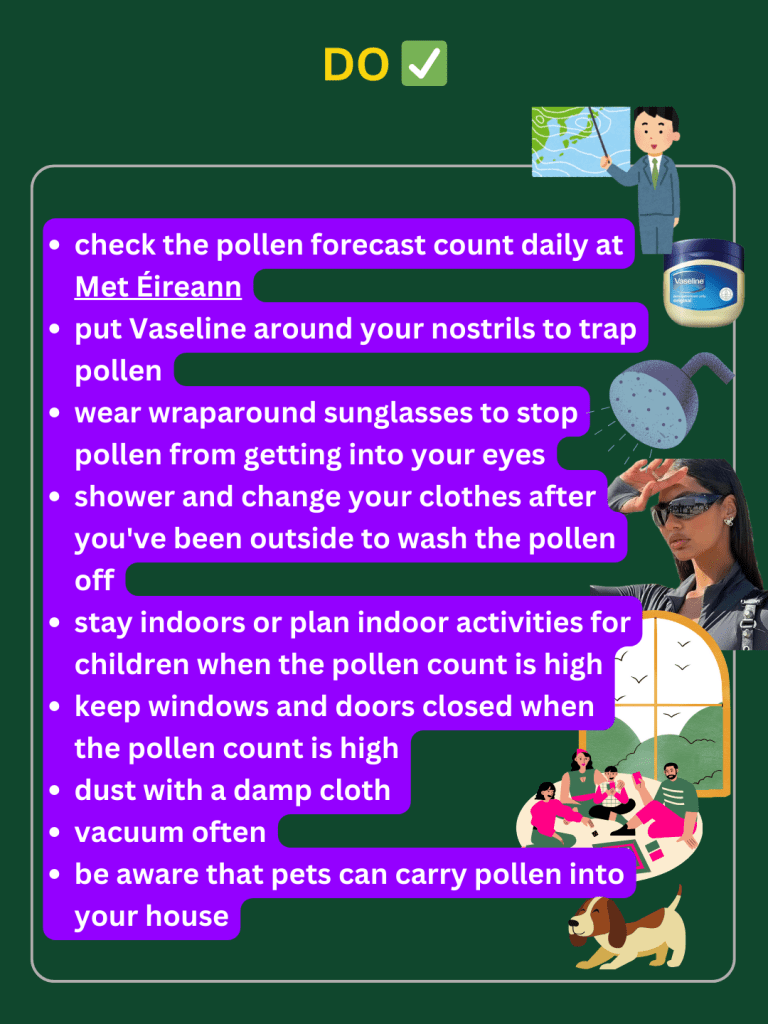
what you should do
medicine

You can purchase medication for hay fever at any pharmacy. There are generally two approaches to taking these medications:
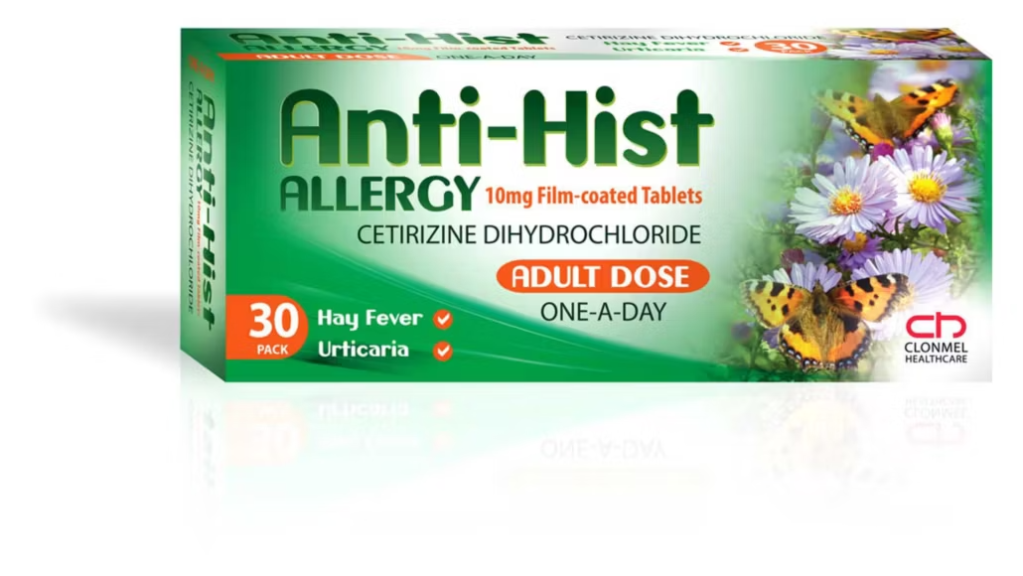
- Preventative Treatment: For those who are experienced with their hay fever symptoms and know they will be affected, it’s advisable to start taking medication about a month in advance. This can help lessen the severity of the symptoms when the pollen season starts.
- Immediate Relief: Some people choose to buy medication as soon as they experience symptoms. This approach treats the symptoms right away, providing quick relief.
In both cases, it’s important to choose the right type of medication that suits your specific needs and severity of symptoms. Pharmacists can provide guidance on the best options available.
Follow me :
Tiktok: yoke is my real name
Instagram: stivateo
Youtube: Stiva Teo
 Coming to Ireland
Leave a comment